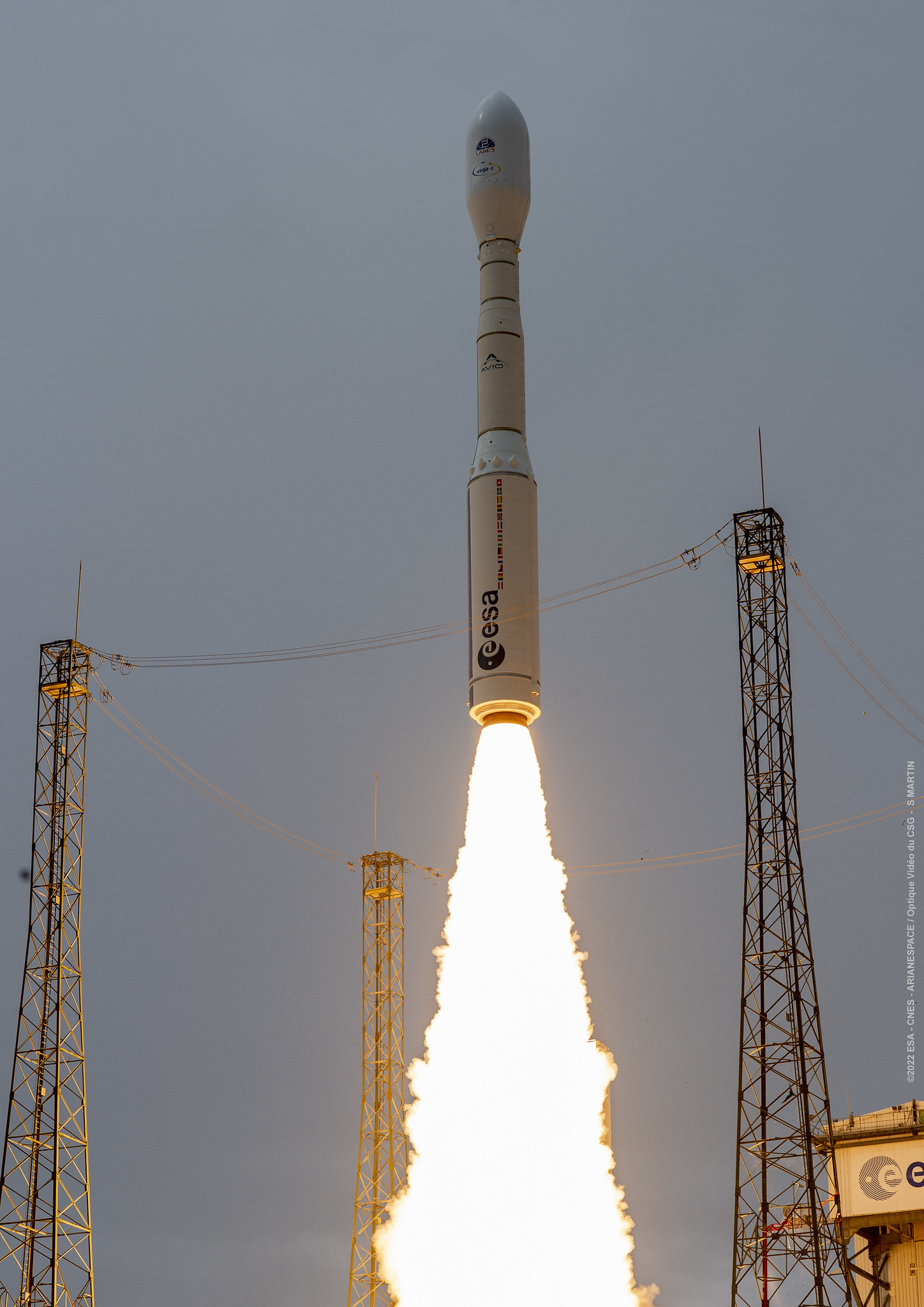
Vega-C | Sentinel-3C & FLEX
Pad: Ariane Launch Area 1 (ELV) · Guiana Space Centre, French Guiana
Sentinel-3C is the third satellite in the Sentinel-3 constellation, which provides high-accuracy optical, radar and altimetry data for marine and land services. The Fluorescence Explorer (FLEX) satellite is a part of ESA's Earth Explorer program. The satellite will map vegetation fluorescence to quantify photosynthetic activity.
Orbital Launch Vehicle
Photo: Orbit Deck Space Catalog
Vega-C | Sentinel-3C & FLEX Live Coverage
Official Webcast Feed Scheduled
Live broadcast embeds typically go live 15 to 20 minutes prior to launch window liftoff. Check the official Avio S.p.A channels or Spaceflight Now for live feeds.
🛰️ Mission Orbital & Environment Matrix
- Target Orbit
- SSO
- Target Altitude
- 550 km
- Inclination
- 53.2°
- Weather Violation Risk
- 10%
- Primary Payload
- Sentinel-3C & FLEX
- Launch Window
- Tuesday, September 15, 2026 at 01:21 AM UTC – 01:21 AM UTC
♻️ Hardware Reusability & Recovery Matrix
- Booster Core
- Flight Proven Core
- Flight Count
- Operational Flight
- Recovery Strategy
- Autonomous Drone Ship (ASDS)
- Fairing Recovery
- Flight Proven
- Landing Vessel / Zone
- Designated Drone Ship (ASDS)
- Vehicle Architecture
- Vega-C Technical Specs & Flight Geometry →
⏱️ Operational Timeline Milestones & Staging Sequence
Target T-0: 2026-09-15Terminal Count
T-00:15:00Autonomous launch sequence start
Auto Sequence
T-00:03:00Flight computer assumes control
Liftoff
T-00:00:00Stage 1 main engine ignition & liftoff
MECO & Stage Sep
T+00:02:40Main engine cut-off and stage separation
Stage 1 Landing
T+00:08:30Booster touchdown on recovery vessel / zone
Payload Deploy
T+00:45:00Spacecraft insertion into target orbit
Ariane Launch Area 1 (ELV)
Centre Spatial Guyanais · Guiana Space Centre, French Guiana

Ariane 6 ELA-4 Launch Complex
Aerial view of the ELA-4 launch mount, flame trenches, and mobile assembly gantry at Europe's Spaceport in Kourou.
Photo Credit: ESA / CNESEurope's Spaceport in Kourou benefits from being just 5° north of the equator. The Earth's maximum rotational surface velocity (~1,670 km/h) gives rockets launched here a free velocity boost, making it the most energy-efficient spaceport on Earth for geostationary (GTO) and interplanetary insertions.