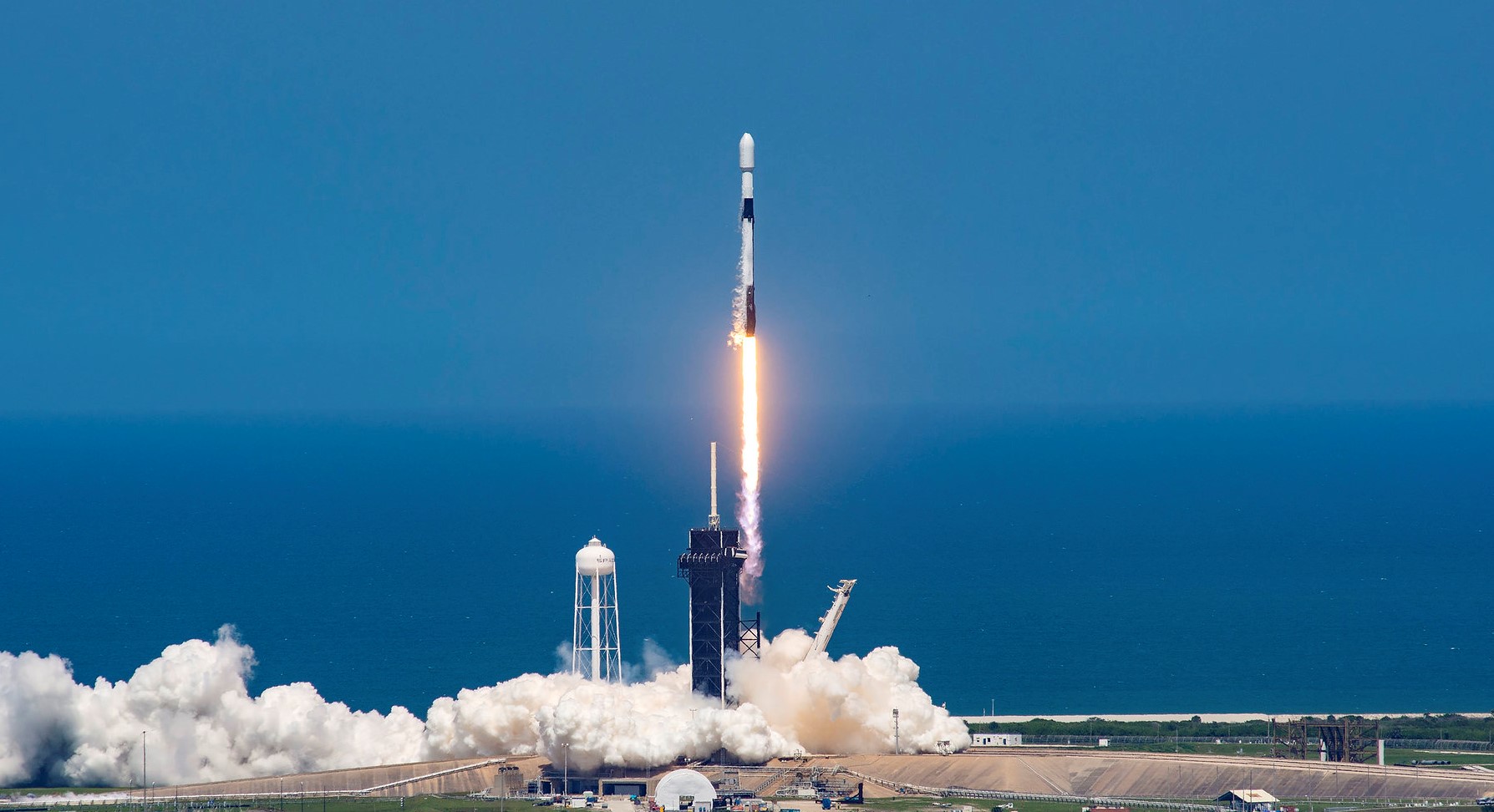
Falcon 9 Block 5 | Globalstar 2-R Mission 1 (x 8)
Pad: Space Launch Complex 40 · Cape Canaveral SFS, FL, USA
The Globalstar global mobile communications network offers global, digital real time voice, data and fax services via its Low Earth Orbit satellite constellation. The constellation operates in a 1410 km orbit inclined at 52 degrees. In early 2022, Globalstar contracted with MDA for the construction of 17 new 2nd generation refresh satellites to replenish the existing constellation. Rocket Lab is sub-contracted to build the satellites' buses and the launch dispensers.
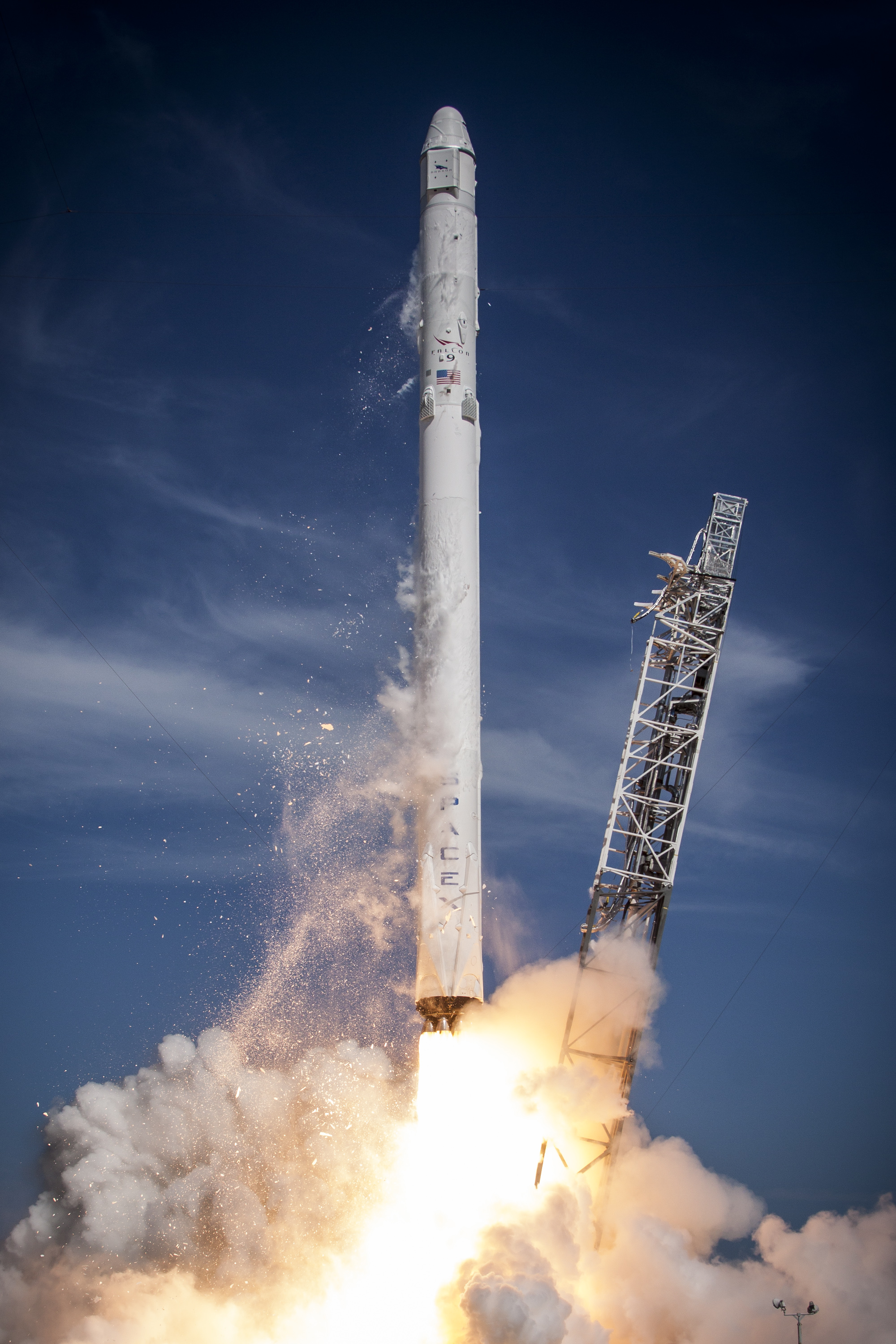
Falcon 9 Liftoff with Dragon Spacecraft
Photo: SpaceX
Falcon 9 Block 5 | Globalstar 2-R Mission 1 (x 8) Live Coverage
Official Webcast Feed Scheduled
Live broadcast embeds typically go live 15 to 20 minutes prior to launch window liftoff. Check the official SpaceX channels or Spaceflight Now for live feeds.
🛰️ Mission Orbital & Environment Matrix
- Target Orbit
- LEO
- Target Altitude
- 550 km
- Inclination
- 53.2°
- Weather Violation Risk
- 10%
- Primary Payload
- Globalstar 2-R Mission 1 (x 8)
- Launch Window
- Sunday, August 16, 2026 at 01:12 AM UTC – 01:27 AM UTC
♻️ Hardware Reusability & Recovery Matrix
- Booster Core
- B1090
- Flight Count
- Operational Flight
- Recovery Strategy
- ASDS
- Fairing Recovery
- Flight Proven
- Landing Vessel / Zone
- Designated Landing Zone
- Vehicle Architecture
- Falcon 9 Technical Specs & Flight Geometry →
⏱️ Operational Timeline Milestones & Staging Sequence
Target T-0: 2026-08-16Terminal Count
T-00:15:00Autonomous launch sequence start
Auto Sequence
T-00:03:00Flight computer assumes control
Liftoff
T-00:00:00Stage 1 main engine ignition & liftoff
MECO & Stage Sep
T+00:02:40Main engine cut-off and stage separation
Stage 1 Landing
T+00:08:30Booster touchdown on recovery vessel / zone
Payload Deploy
T+00:45:00Spacecraft insertion into target orbit
Space Launch Complex 40
Cape Canaveral Space Force Station · Cape Canaveral SFS, FL, USA

ULA Space Launch Complex 41 Launch Mount
United Launch Alliance Space Launch Complex 41 with four 100-meter catenary lightning suppression masts.
Photo Credit: NASA / Kim ShiflettSLC-41 is ULA's primary East Coast heavy launch facility. The pad was the departure point for historic NASA planetary missions including New Horizons to Pluto, the Curiosity and Perseverance Mars rovers, and the OSIRIS-REx asteroid sample return.